
GBCORP BLOG · SUSTAINABILITY
Transparent Solar Glass vs Conventional Glazing: What Changes When Windows Generate
Conventional glazing is a cost line that does one job: it lets light in. Transparent solar glass does the same job and adds a second — it generates. This is what actually changes when you specify one over the other.
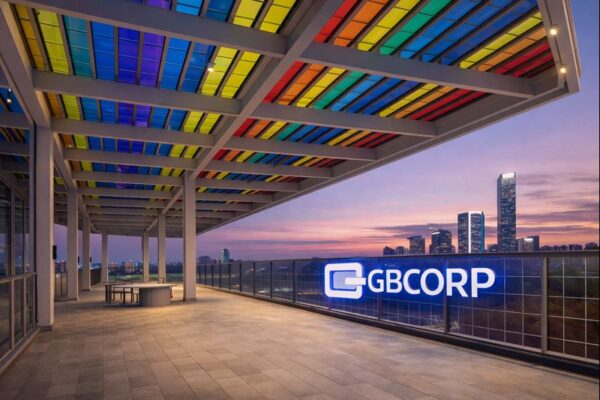
Glazing is one of the largest surfaces on any commercial building, and until recently it was purely a load on the energy budget — light in, heat in, nothing back. Transparent photovoltaic glass changes the sign of that line. The question for a specifier is no longer "solar or windows?" but "windows that generate, or windows that don't?"
The one-line difference
Conventional glazing transmits light and stops there. GBCORP's transparent CdTe (cadmium telluride) thin-film glass transmits daylight and converts part of the spectrum into electricity — typically 80–120 W/m² depending on sun and angle — while remaining see-through. Same façade, same curtain-wall detailing, new revenue.
Daylight and views
The honest trade is transparency versus output: the more power a pane makes, the more of the spectrum it uses. Modern thin-film glass is tuned so the visible band a human eye cares about still passes, giving a natural, lightly tinted view rather than a dark one. For atria, skylights, curtain walls and spandrel-adjacent vision glass, the result reads as premium architectural glazing, not as a solar panel bolted to a window.
Thermal performance and glare
Because the coating absorbs part of the incoming spectrum, transparent solar glass also cuts solar heat gain — the same physics that generates power reduces the cooling load behind the glass. In hot climates that is a second saving stacked on the first: lower kWh drawn and lower kWh consumed by air-conditioning.
The cost read
Transparent solar glass carries a premium over standard glazing for the photovoltaic layer. The correct comparison is not against the cheapest float glass but against the specified architectural glazing it replaces — and against that baseline it is the only glass on the schedule with a generation column and a cooling-load credit. Over a 25-year envelope life, the pane pays back a share of its own cost.
| Attribute | Conventional glazing | Transparent solar glass |
|---|---|---|
| Generates electricity | No | Yes — 80–120 W/m² |
| Daylight transmission | High | High, lightly tinted |
| Solar heat-gain control | Coating-dependent | Built in |
| Operating temperature | n/a | −40°C to +85°C |
| Lifetime cost line | Pure cost | Cost minus generation + cooling savings |
Where it wins first
Start where the glass area is large and the view is not sacred: atria, skylights, entrance canopies, curtain-wall spandrel zones and south/west elevations with heavy sun. These give the fastest payback and the least aesthetic risk.
See the GBCORP Transparent CdTe Thin-Film Solar Glass Panel for specifications, the 2026 transparent solar glass cost & VLT buyer's guide for numbers, or the full GBCORP Sustainability e-shop. GBCORP delivers building-integrated photovoltaics across 17 countries on 4 continents.










