
GBCORP BLOG · RENEWABLE ENERGY
The Environmental Benefits of Onshore and Offshore Wind Power
As countries around the world work toward achieving net-zero emissions and reducing their dependence on fossil fuels, wind energy has emerged as one of the most effective renewable energy sources available today. Both…
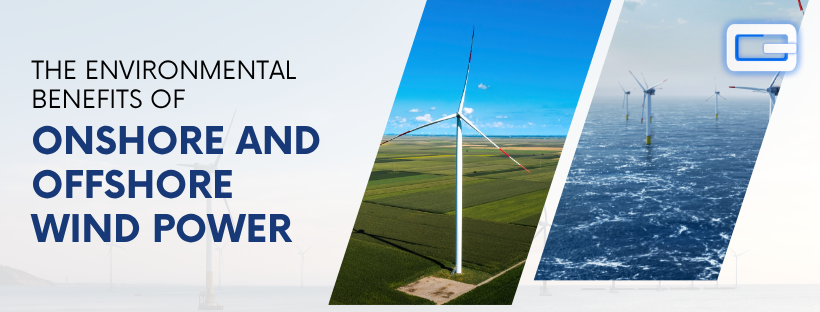
As countries around the world work toward achieving net-zero emissions and reducing their dependence on fossil fuels, wind energy has emerged as one of the most effective renewable energy sources available today. Both onshore wind power and offshore wind power play a significant role in supporting clean energy transitions, helping nations meet climate targets while delivering long-term environmental benefits.
From reducing greenhouse gas emissions to conserving water resources, wind energy is transforming how electricity is generated and consumed. As technological advancements continue to improve efficiency and lower costs, the environmental advantages of harnessing wind power are becoming increasingly evident.
Reducing Carbon Emissions
One of the most important environmental benefits of wind energy is its ability to significantly reduce carbon emissions. Traditional power plants fueled by coal, oil, or natural gas release large amounts of carbon dioxide into the atmosphere, contributing to global warming and climate change.
Wind turbines generate electricity without burning fuel, producing virtually no direct greenhouse gas emissions during operation. According to global energy studies, replacing fossil fuel-generated electricity with wind energy can prevent millions of tonnes of carbon emissions annually.
Both onshore and offshore wind farms help countries decarbonize their energy sectors, making them critical components of national and international climate action strategies.
Improving Air Quality
Air pollution remains a major public health challenge worldwide. Fossil fuel combustion releases pollutants such as sulfur dioxide, nitrogen oxides, and particulate matter, which can lead to respiratory illnesses, cardiovascular diseases, and environmental degradation.
Wind energy provides a cleaner alternative by generating electricity without emitting harmful pollutants. Increased adoption of onshore and offshore wind projects contributes to better air quality, reducing healthcare burdens and improving the quality of life for communities living near traditional power generation facilities.
Cleaner air also benefits ecosystems by reducing acid rain formation and limiting damage to forests, rivers, and agricultural land.
Conserving Water Resources
Conventional thermal power plants consume significant amounts of water for cooling and electricity production. As water scarcity becomes an increasing concern in many regions, reducing industrial water consumption is essential.
Wind turbines require very little water during operation. Once installed, both onshore and offshore wind facilities can produce electricity for decades without placing additional pressure on freshwater supplies.
This advantage makes wind energy particularly valuable in areas experiencing drought conditions or facing challenges related to water resource management.
Supporting Biodiversity Through Responsible Development
Modern wind energy projects are increasingly designed with environmental protection in mind. Developers conduct detailed environmental impact assessments before construction to minimize disruption to wildlife habitats and migration pathways.
Offshore wind farms can even provide unintended ecological benefits. In some cases, turbine foundations act as artificial reefs, creating habitats for marine organisms and supporting local biodiversity.
Similarly, onshore wind installations often allow agricultural activities to continue around turbine sites, enabling landowners to maintain farming operations while contributing to renewable energy generation.
Strengthening Energy Security and Sustainability
Diversifying energy sources is essential for building resilient and sustainable power systems. Wind energy reduces dependence on imported fossil fuels and helps stabilize long-term energy costs.
As battery storage technologies improve and smart grids become more widespread, integrating wind power into modern electricity networks will become even more efficient. Governments, businesses, and communities are increasingly recognizing wind energy as a cornerstone of a sustainable future.
Supporting the Transition to Clean Energy with GBCORP
As businesses and governments accelerate their investments in renewable infrastructure, organisations require reliable partners capable of delivering scalable and sustainable energy solutions. GBCORP is committed to supporting this transition through innovative wind energy initiatives that help reduce carbon emissions, strengthen energy resilience, and contribute to long-term sustainability objectives. Its wind energy services focus on enabling organisations to harness clean power while aligning with evolving environmental regulations and net-zero commitments.
Businesses, municipalities, and developers looking to explore wind-powered solutions can learn more through GBCORP’s dedicated wind energy services page:
Explore Wind Energy Solutions: GBCORP Wind Energy Solutions
Conclusion
The environmental benefits of onshore and offshore wind power extend far beyond clean electricity generation. By lowering carbon emissions, improving air quality, conserving water, supporting biodiversity, and strengthening energy security, wind energy is helping shape a more sustainable and resilient world.
As global demand for renewable energy continues to grow, investments in wind power will play a crucial role in accelerating the transition toward a low-carbon economy. Harnessing the power of the wind is not only an environmental necessity but also an opportunity to create a healthier planet for future generations.
Priced and ready to buy
From the GBCORP e-shop, with every customised requirement quoted before work starts.










