GBCORP BLOG · SUSTAINABILITY
Colored Solar Façades: Architecture No Longer Has to Choose Black
For decades, adding solar meant adding black rectangles — and for most architects, that meant not adding solar at all. Colored photovoltaic tiles remove the last aesthetic objection: the façade keeps its palette, and starts generating.

Ask an architect why a project has no solar and the honest answer is rarely technical. It is visual. Photovoltaics grew up as an engineering product — dark cells, silver frames, visible grids — and buildings with strong material identities simply refused to wear them. Colored BIPV tiles resolve that refusal.
How a solar panel gets its color
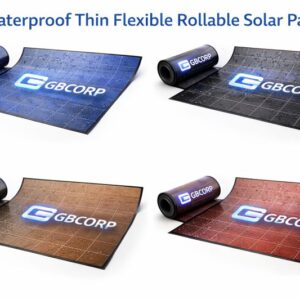
The color does not come from paint, which would block the light the cells need. Modern colored photovoltaic glass uses interference coatings and structured front layers that reflect a narrow band of visible light — the color you see — while passing the rest of the spectrum through to the cells. The effect is stable, non-fading and available in terracotta, bronze, slate grey, green, blue and bespoke shades matched to a façade sample.
There is a physics fee: reflecting visible light costs a share of generation, typically 10–25 % depending on shade. The correct way to read that number is not "less efficient" but "a façade that was producing nothing now produces 75–90 % of what a black panel would."
Where colored tiles fit
Re-cladding and renovation. When a building is due for a new skin anyway, swapping conventional cladding for photovoltaic tiles turns a cost line into a revenue line — heritage-friendly shades keep planning committees comfortable.
New builds with material identity. Corporate campuses and civic buildings can hold their brand palette while meeting green-building targets.
Spandrels and parapets. The opaque zones every glass façade already has are the easiest first move: no view to preserve, full generation freedom.
What specifiers should note
Colored tiles are architectural cladding and photovoltaic devices at once, so both certification families apply — building-product standards for the cladding function and IEC photovoltaic standards for the electrical one. Mounting follows familiar rain-screen and curtain-wall logic; cabling routes through the ventilated cavity behind the tiles. A competent supplier engineers the electrical layout to your elevation drawings, not the other way round.
The bigger picture
Façades are the largest untouched solar surface in every city. Colored BIPV does not ask architecture to compromise; it asks the panel to. Explore the GBCORP BIPV Façade Color Solar Panel Tiles for shades and specifications, or see the full GBCORP Sustainability e-shop. GBCORP delivers building-integrated photovoltaics across 17 countries on 4 continents.