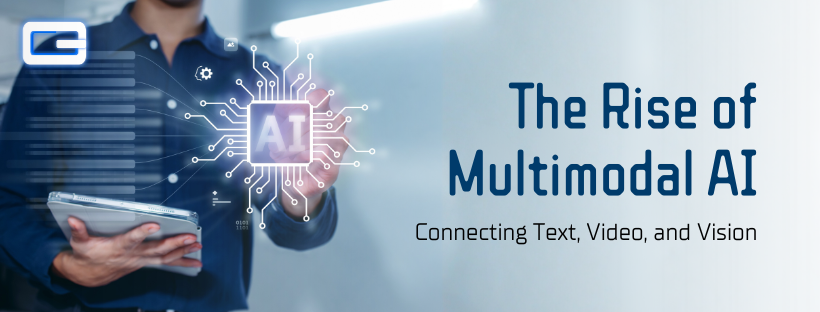
A few years ago, artificial intelligence mostly worked with text. You typed something, and the system replied. That has changed. In 2026, AI is learning to understand information the way people do by looking at words, images, and videos together instead of treating them as separate pieces.
This shift is known as multimodal AI. It simply means AI that can connect text, visuals, and video to form a clearer picture of what is happening. When different types of information are combined, the results are more accurate and useful.
People naturally rely on more than one sense to understand the world. We read instructions, look at photos, and watch videos before making decisions. Multimodal AI follows this same idea. It does not depend only on written input. It looks at what is shown visually and connects that with what is written or recorded.
Why This Change Matters
Earlier AI systems handled one type of data at a time. A text system could read documents, but it could not understand what was happening in an image. A vision system could analyze pictures, but it could not explain what they meant in plain language. This often led to incomplete results.
Multimodal AI brings these abilities together. When a system can read a report and also review related images or videos, it can spot details that might be missed by humans working under time pressure. This leads to better decisions and fewer mistakes.
How It Is Used in Real Life
Multimodal AI is already being used in practical ways. In large building projects, teams review drawings, inspection photos, and written notes every day. A system that can look at all of these together helps teams identify risks earlier and respond faster. In facilities management, visual feeds combined with written logs make it easier to track maintenance issues and safety concerns.
Companies like GBCORP are exploring how multimodal AI can support operations, planning, and digital workflows. By connecting visual information with written records, teams gain better visibility into what is happening on the ground. This helps reduce rework, save time, and improve overall efficiency.
Benefits for Teams and Decision Makers
One of the biggest advantages of multimodal AI is clarity. When information is presented in one connected view, people do not have to jump between systems or manually compare data. This saves time and reduces errors.
It also improves collaboration. Teams working across design, operations, and management can rely on a shared understanding of visual and written information. This creates smoother workflows and faster approvals.
A Practical Path Forward
Multimodal AI is not about replacing people. It is about helping teams work with complex information more easily. As this technology continues to improve, it will become a normal part of how organizations review data, monitor progress, and make decisions.For organizations like GBCORP, this approach supports smarter operations and better planning. Connecting text, video, and vision creates systems that reflect how people actually work, making technology more useful and less complicated in everyday business.