Electric vehicles are no longer just about batteries and charging ranges. What really sets today’s EVs apart is how smart and connected they’ve become. Software now plays just as big a role as hardware, and artificial intelligence is quietly shaping how these vehicles behave, learn, and interact with drivers.
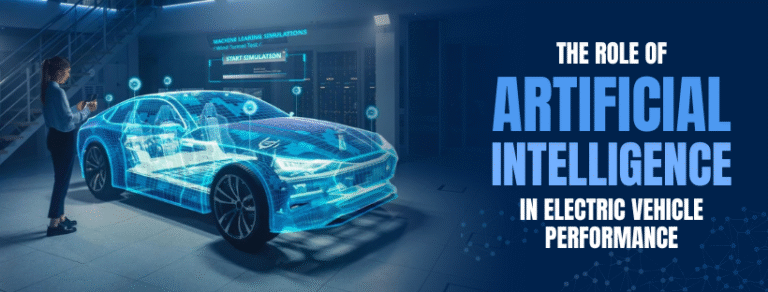
One of the biggest changes AI has brought to electric vehicles is how they respond to real-world driving. Instead of sticking to fixed settings, many EVs learn from the driver over time. They adjust energy usage based on driving habits, traffic conditions, and even weather. If someone tends to drive more aggressively or sticks mostly to city roads, the system adapts to improve efficiency without the driver having to think about it.
Connectivity is the other piece that makes this possible. Modern EVs are constantly exchanging data. They receive software updates, navigation improvements, and safety enhancements through the cloud. This means a car can actually get better months or even years after it’s been purchased. Unlike traditional vehicles that stay the same once they leave the dealership, connected EVs continue to evolve.
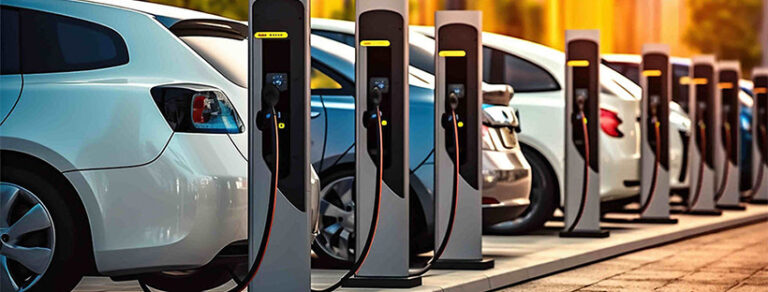
Navigation is a good example of AI and connectivity working together. EVs don’t just provide directions anymore. They calculate routes based on battery range, charging station availability, traffic, and road conditions. If something changes along the way, the system adjusts automatically. This removes much of the range anxiety that early EV drivers experienced.
Inside the vehicle, AI is also changing how people interact with their cars. Voice assistants can now understand natural speech rather than simple commands. Drivers can ask about nearby charging stations, adjust climate controls, or check battery status without taking their eyes off the road. Over time, these systems learn preferences and respond faster and more accurately.
Safety has improved as well. Connected EVs can share and receive data about road hazards, sudden braking ahead, or dangerous conditions. AI helps interpret this information in real time, assisting drivers with alerts or corrective actions. Features like adaptive cruise control and lane assistance rely heavily on AI to make quick decisions that support safer driving.
Connectivity also plays a role beyond the driver. Manufacturers can monitor vehicle health remotely, identify potential issues early, and push fixes through updates. This reduces unexpected breakdowns and improves long-term reliability. For owners, it means fewer service visits and more confidence on the road.
As electric vehicles continue to grow in popularity, AI and connectivity will become even more central. Cars will communicate with charging networks, traffic systems, and even other vehicles to optimize energy use and reduce congestion. What once felt like science fiction is quickly becoming normal driving behavior.
Modern electric vehicles are no longer just machines. They’re intelligent, connected systems that learn, adapt, and improve over time. And for drivers, that means a smoother, safer, and more intuitive driving experience every day.